
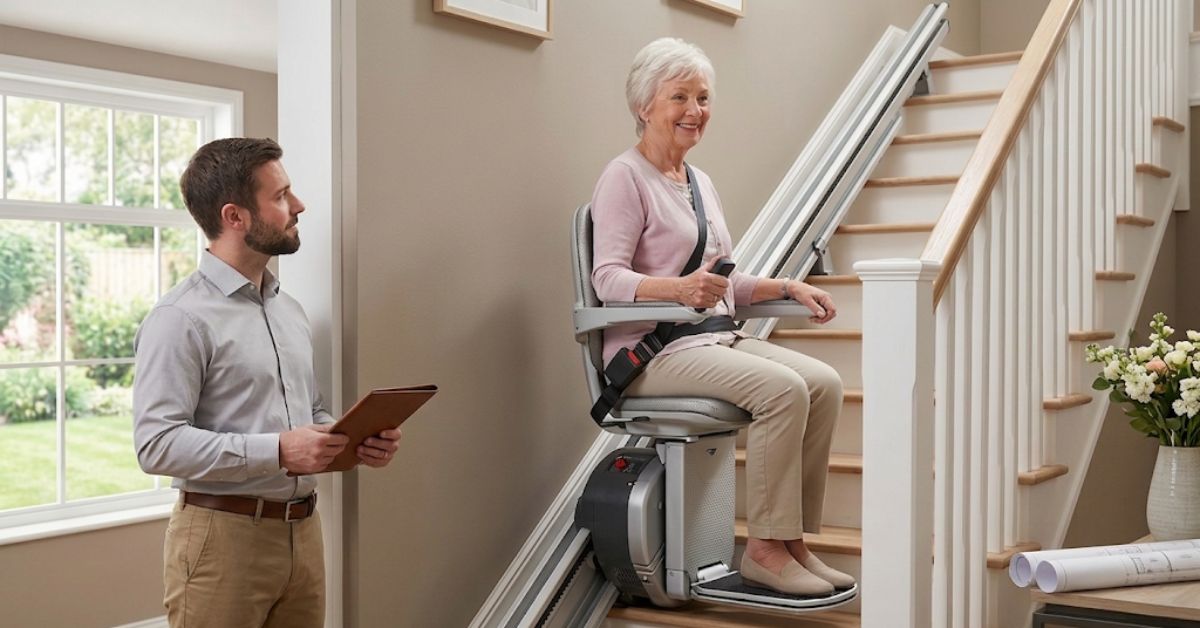
Most families do not decide to make home accessibility upgrades — they are pushed into it. A fall happens, a surgery changes everything overnight, or a slow decline reaches a point where something in the home becomes genuinely dangerous. By then, the decision is reactive rather than planned, and the options narrow significantly when time pressure is added to an already difficult situation.
The better approach — and the one that produces better outcomes for everyone — is recognising the signals early, while there is still time to research properly, apply for funding, and make changes calmly rather than under duress.
This guide covers the specific signals — physical, behavioural, and environmental — that indicate a home needs accessibility upgrades, and what those upgrades typically involve. If you are reading this for a parent, a spouse, or yourself, you are already ahead of most families who wait until the moment of crisis.
Why Timing Matters So Much
There is a meaningful difference between installing a stair lift because a family has planned for it — researched options, compared providers, applied for a VA grant, and scheduled installation at a convenient time — and installing one because a parent was just discharged from hospital after a fall and cannot safely manage the stairs.
The outcome of the installation is the same. The experience of getting there is completely different. Reactive decisions made under pressure are more expensive, more stressful, and more likely to result in a poor choice. Proactive planning, by contrast, gives families time to do it right.
In over a decade of working with NJ families, the ones who navigate home accessibility most successfully are almost always those who started planning before they felt they had to. The conversation is easier, the options are broader, and the funding timeline is manageable.
Physical Signals: What to Watch For
The body gives clear signals long before a serious incident occurs. These are the physical changes that most reliably predict an increased need for home accessibility upgrades:
Difficulty on Stairs
One of the earliest and most reliable signals. Watch for: using the handrail in a way that was not necessary before, pausing mid-staircase to rest, taking stairs one at a time rather than alternating feet, noticeably slower stair speed, audible effort or breathing change when using stairs, or any expressed anxiety about the stairs.
What this signals:
Lower body strength and balance are declining. The staircase is becoming a fall risk. A stair lift assessment should be scheduled — even if the person is managing currently, the trend matters more than the snapshot.
Bathroom Difficulty
Getting in and out of the tub, rising from the toilet, and maintaining balance in the shower are all movements that require significant strength and coordination. Signs of difficulty include: sitting on the edge of the tub before swinging legs over, gripping the towel rail (which is not load-bearing) for support, taking longer in the bathroom, or avoiding bathing altogether.
What this signals:
The bathroom is becoming a fall risk. Grab bars at the toilet and shower are the immediate priority. A broader bathroom safety assessment should follow.
Balance and Gait Changes
Any noticeable change in how a person walks — wider stance, shorter steps, shuffling, reaching for walls or furniture when moving through the home — indicates reduced balance confidence and increased fall risk throughout the home, not just at specific locations.
What this signals:
A comprehensive home safety assessment is needed. Multiple modifications may be required across several rooms — handrails, grab bars, removal of trip hazards, improved lighting. This is also a signal to discuss with a GP or physiotherapist.
Reduced Grip Strength
Difficulty opening jars, turning doorknobs, or gripping handrails firmly are all signs of reduced hand and forearm strength. This affects the ability to use grab bars, handrails, and mobility equipment effectively — and changes the specifications of what modifications will actually work.
What this signals:
Grab bars and handrails with larger diameter profiles are needed. Lever-style door handles and faucet fixtures should replace round knobs. A CAPS assessment should note grip strength when recommending specific equipment.
After a Fall — Any Fall
A fall — even a minor one with no injury — is one of the clearest signals that a home needs assessment. The first fall significantly increases the statistical probability of a second, more serious fall. A fall that seems minor is often the warning the home environment provides before a serious one follows.
What this signals:
Schedule a professional CAPS assessment immediately. Identify exactly where and how the fall occurred. Prioritise modifications at that specific location first, then assess the broader home.
After a Hospitalisation or Surgery
Hip replacement, knee replacement, stroke recovery, heart surgery, and any hospitalisation affecting mobility fundamentally changes what a home needs to be safe. Many hospital discharges happen before the home has been assessed — and a person returning home to an unmodified environment after surgery faces acute fall risk in the first days and weeks.
What this signals:
An urgent assessment is needed before or immediately after discharge. Stair lifts and wheelchair ramps can often be installed within 24–48 hours for urgent post-discharge situations. Do not wait.
Behavioural Signals: Changes That Are Easy to Miss
Behavioural changes are often more telling than physical ones — because they represent the person's own adaptation to their changing abilities, often without consciously realising it.
Avoiding Certain Rooms or Activities
If a person has stopped using the upper floor of their home, stopped bathing as frequently, stopped going outside independently, or started sleeping downstairs — these avoidances are a clear signal that those parts of the home or those activities have become too difficult or too risky to manage comfortably.
Holding on to Furniture When Moving
Moving through the home by holding chair backs, countertop edges, walls, and door frames is called "furniture surfing" — and it is a well-documented precursor to falls. The person is effectively creating an improvised grab rail system because the home does not have proper support in place.
Taking Much Longer for Daily Tasks
If morning routines, bathroom visits, or moving between floors are taking significantly longer than they used to, the additional time is often being used to move more cautiously — which is a healthy adaptation, but also a signal that the environment needs to be made safer so caution is not the only safety mechanism in place.
Expressing Anxiety About the Home
Comments like "I'm careful on those stairs," "I have to be very cautious in the bathroom," or "I don't go up there much anymore" are direct statements of perceived risk. Take them seriously. When a person acknowledges that part of their home feels unsafe, that acknowledgement should be acted on — not reassured away.
Reluctance to Have Visitors
Some older adults become reluctant to have family or friends visit because they do not want the changes in their home or mobility to be noticed. This is particularly common in the period immediately before an accessibility crisis — the person is managing privately, and visits risk exposing how much has changed.
Environmental Signals: What the Home Itself Tells You
Beyond the person, the home itself provides signals. Walk through it with fresh eyes — ideally on a dedicated visit for this purpose — and look for:
- Worn patches on carpet at stair edges — indicates repeated gripping of stair edges for support
- Marks or scrapes on walls along hallways — indicates the person is regularly touching the wall for balance
- Towel rails pulled away from the wall — indicates they have been used for support beyond their structural rating
- Furniture repositioned to create pathways or support points — indicates the person has reorganised the home to create their own informal support network
- Medications or daily items moved to lower shelves or ground level — indicates reaching overhead has become difficult or unsafe
- Items left on stairs — a fall hazard that also indicates the person is making fewer trips up and down
- New scuff marks or damage near the tub or toilet — may indicate a near-miss that was not mentioned
The Most Common Upgrades and When They Become Necessary
| Upgrade | Key Signal It's Needed | Urgency |
|---|---|---|
| Grab bars at toilet | Any difficulty rising from toilet, any bathroom fall | High — install immediately |
| Grab bars in shower | Any gripping of wall or fixture for balance in shower | High — install immediately |
| Non-slip bathroom treatment | Any wet floor incident or near-miss | High — address within days |
| Stair lift | Any difficulty, hesitation, or anxiety on stairs | Medium-High — assess now, plan installation |
| Wheelchair ramp | Difficulty managing exterior steps, use of wheelchair or walker | Medium-High — assess now |
| Handrail upgrade | Gripping walls near stairs, single-sided or incomplete rails | Medium — within 1 month |
| Tub cut-out or walk-in shower | Difficulty stepping over tub, avoidance of bathing | Medium — plan within 1–2 months |
| Nightlights | Any nighttime mobility, any nighttime bathroom visits | Low cost — install this week |
| Rug removal | Any balance challenge or shuffling gait | Immediate — free, do it today |
The Right Response: A Professional Assessment
Once you have identified signals — whether physical, behavioural, or environmental — the right next step is a professional in-home assessment by a Certified Aging-in-Place Specialist (CAPS). A CAPS assessment goes beyond a checklist:
- Evaluates the specific individual's mobility, strength, and balance — not just the home in the abstract
- Identifies every fall-risk point in the home, including ones that are easy to overlook
- Provides a prioritised modification plan based on actual risk level — not everything at once
- Gives realistic cost estimates for each recommended modification
- Helps identify which NJ funding programs apply to the situation
- Provides the documentation needed for insurance claims and grant applications
Everhome Mobility provides free CAPS-certified in-home assessments across Bergen County, Essex County, Passaic County, and Hudson County NJ — with same-week availability for most homes.
For families managing this remotely: If you live at a distance from your parent and cannot assess the home in person, a CAPS professional can conduct the assessment on your behalf and provide a written report with photographs that you can review together. Many families find this approach resolves conversations that had been stuck because there was no objective basis for the discussion.
Noticed any of these signals in your home or a parent's home? A free CAPS in-home assessment identifies every risk and gives you a clear, prioritised plan — no cost, no obligation.
Schedule Your Free Home Assessment →Frequently Asked Questions
At what point should I start thinking about home accessibility upgrades?
The best time is before any specific incident forces the conversation — ideally when the first physical signals appear, such as increased caution on stairs or visible difficulty in the bathroom. Planning proactively gives families time to research, fund, and install modifications thoughtfully. Most families who plan ahead report significantly less stress than those who act reactively after a fall or hospitalisation.
Can I assess my own home for accessibility needs?
A self-assessment using a room-by-room checklist is a good starting point — see our Home Safety Checklist for Seniors. However, a professional CAPS assessment goes further — it evaluates the specific individual's mobility alongside the home, identifies hazards that are easy to miss, and provides clinical documentation useful for funding applications. A self-assessment and a professional assessment are complementary, not alternatives.
What are the most urgent upgrades to make first?
Grab bars at the toilet and shower, non-slip treatment in the bathroom, and removal of loose rugs are the highest-priority, lowest-cost changes that can be made immediately. These address the most common causes of home falls. For multi-story homes where stairs are a concern, a stair lift assessment should follow immediately — installation can often be completed within a week of the assessment for straight staircases.
My parent says the home is fine — how do I raise the subject?
Frame the conversation around independence rather than safety concerns — "I want to make sure you can stay in your home the way you want to" lands very differently than "I'm worried you're going to fall." Starting with a professional assessment rather than a family argument often works better — the CAPS assessor's objective recommendation carries more weight than a worried adult child's concern. See our full guide: Caregiver's Guide to Home Accessibility.
How quickly can upgrades be installed after an assessment?
Grab bars can typically be installed within a week. Straight stair lifts can be assessed and installed within 24–48 hours for urgent situations. Wheelchair ramps are usually installed within 1–3 days of assessment. Curved stair lifts require 2–6 weeks for custom rail fabrication. The urgency of any specific situation affects the timeline — contact us and we will tell you exactly what is possible for your situation.