
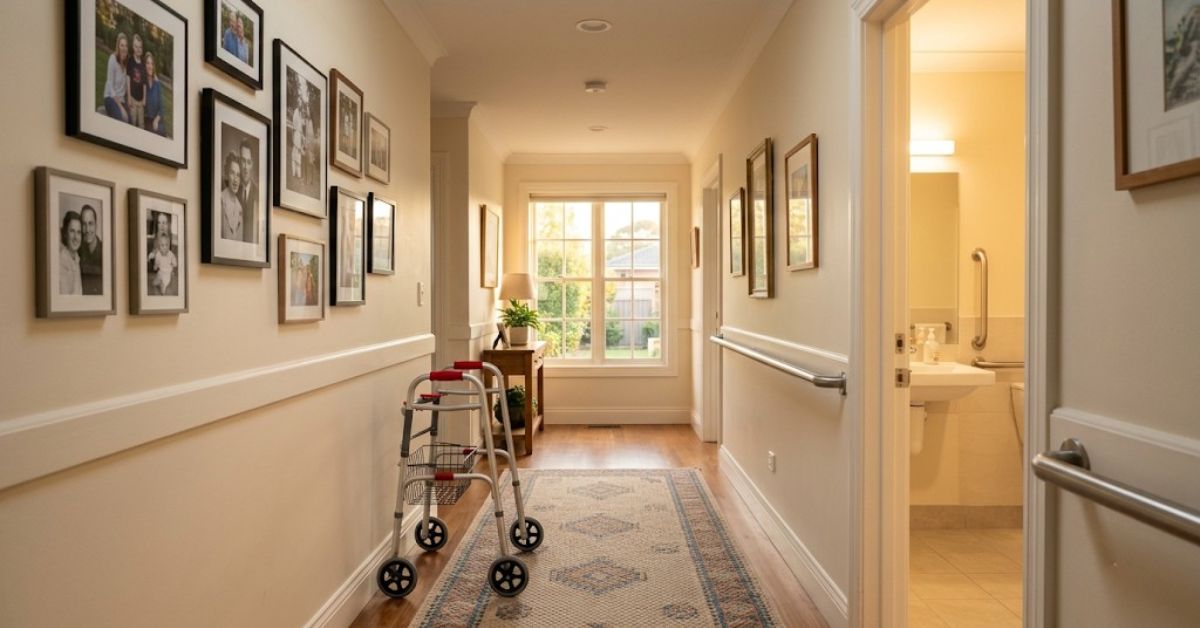
Caregivers — whether adult daughters looking after aging parents, spouses supporting a partner through illness or decline, or friends and neighbours filling in where family cannot — occupy a unique and often unrecognised role in the home mobility conversation. They are the ones who notice the near-fall no one else saw. They are the ones who bring dinner and see whether Mom made it downstairs today. They are the ones lying awake at 3am wondering if Dad tried the stairs alone.
Yet caregivers often feel unequipped for this role. Most were not trained for it. Most take it on gradually — a little more help each week — without ever making a formal decision to become a caregiver. And most feel unable to raise the harder questions about home safety, mobility decline, and modifications without seeming pushy, alarmist, or disrespectful of a parent's autonomy.
This guide is for caregivers. It explains what home mobility challenges actually look like from the caregiver's vantage point, what warning signs matter most, how to raise the conversation about modifications without triggering resistance, and how to protect both the person you're caring for and yourself in the process.
The Caregiver's Unique Perspective
Caregivers see what medical providers cannot. A doctor sees a patient in the clinic — sitting, well-rested, best-dressed, alert. A caregiver sees the same person at home — where they hesitate on the stairs, grip the counter for balance, avoid the shower they used to enjoy, and quietly retreat from activities they used to love. This home-based observation is often the earliest and most accurate indicator of mobility challenges. It is invaluable but often ignored — sometimes even by the caregiver themselves.
The first thing every caregiver should understand: your observations matter. When you notice changes in the person you're caring for — hesitation, avoidance, reluctance to try things — you are seeing important clinical information. Bring these observations to medical appointments, share them with siblings and family, and use them to guide decisions about home safety.
Physical Mobility Challenges: What to Watch For
Physical mobility challenges rarely announce themselves. They emerge gradually — a small hesitation, a longer time to rise from a chair, a quiet decision to sleep on the sofa rather than climb the stairs. Recognising these signs early gives caregivers the greatest opportunity to intervene before a crisis.
Stair Challenges
The staircase is often the first place physical decline shows. Watch for: gripping the handrail more firmly than before, taking one step at a time (both feet on each tread rather than alternating), pausing partway up to catch breath, avoiding upstairs rooms during the day, or reluctance to descend for meals or company. Any of these is worth taking seriously.
Bathroom Challenges
Bathroom activities require multiple challenging transitions — sitting to standing, stepping into wet surfaces, transferring in and out of the tub. Watch for: shortened bathing (from full showers to sponge baths), avoiding the tub entirely, requesting help with tasks they used to do independently, extended time in the bathroom without explanation, or reluctance to bathe when alone in the house.
Transfer Difficulties
Watch for changes in how the person gets in and out of chairs, beds, cars, and the toilet. Signs of trouble: pushing off with arms rather than legs, needing multiple attempts to stand, sliding forward on chairs before rising, requesting help with tasks they used to do alone, or moving to lower or higher furniture to accommodate their new abilities.
Entry and Exit Challenges
Getting in and out of the home safely matters even before interior mobility becomes an issue. Watch for: reluctance to leave the home for appointments or social activities, difficulty with front steps or porch stairs, gripping doorframes or walls when entering, or avoiding certain entrances in favour of others.
Sleep and Bedroom Arrangements
A change in where the person sleeps can indicate mobility challenges they haven't discussed. Watch for: moving to sleep on a first-floor sofa or spare room when the bedroom is upstairs, changing to a lower bed, requesting a bedside commode, or waking multiple times at night for bathroom trips they used to make without concern.
Any of these changes is worth noting. Two or more warrant an active conversation about home safety and possibly a professional assessment. Details on more comprehensive warning signs in our related guide: Signs Your Home Needs Accessibility Upgrades.
The Emotional and Psychological Landscape
Physical mobility changes carry emotional weight — for both the senior and the caregiver. Understanding these emotional dimensions helps caregivers navigate conversations more effectively.
What the Senior Is Experiencing
- Loss and grief: Losing the ability to move freely through one's own home is a real loss, and seniors often grieve it privately. Many resist accepting help partly because accepting help means acknowledging the loss
- Fear of dependency: Independence is a core value for most older adults. Requiring help — especially with intimate tasks like bathing or toileting — threatens this core value
- Fear of institutional care: Many seniors interpret modification suggestions as the first step toward eventual nursing home placement. This fear can trigger strong resistance to any change
- Embarrassment and shame: Falls, wet clothes, or incontinence accidents often trigger shame that gets hidden rather than addressed. This hidden shame can drive further avoidance behaviour
- Denial of decline: The person you knew as strong, capable, and independent may find it difficult to see themselves as needing help. Denial is a normal protective response, not stubbornness
What the Caregiver Is Experiencing
- Chronic worry: The awareness that the person you love could fall at any moment creates persistent low-grade anxiety. Sleep disturbance is common — many caregivers report waking multiple times per night
- Guilt about limits: Guilt at not being able to be everywhere at once, not being able to prevent every risk, and not being able to make everything the way it was before
- Frustration with resistance: When the person you're trying to help refuses modifications, appointments, or safety changes, frustration is natural — but often gets suppressed as inappropriate
- Complicated grief: Watching someone you love become less capable is a form of ongoing grief — often called "ambiguous loss" because the person is still present but changed
- Isolation: Caregiving responsibilities often reduce time for social activities, hobbies, and self-care. Many caregivers gradually withdraw from their own lives without realising it
Caregiver burnout is real. Caregivers experience higher rates of depression, anxiety, sleep disturbance, and physical health problems than non-caregivers. Studies suggest family caregivers may have shortened lifespans compared to their peers due to chronic caregiving stress. Recognising your own limits and getting adequate support is not selfish — it is essential for sustaining the care you provide.
Raising the Modification Conversation
Suggesting that a parent or partner needs home modifications is one of the harder conversations caregivers face. Done poorly, it triggers resistance, resentment, and denial. Done well, it opens a productive discussion. Some principles that work:
Frame Modifications as Enabling, Not Limiting
The wrong frame: "Mom, you can't handle the stairs anymore, we need to talk about a stair lift." The right frame: "Mom, I know you love this house. A stair lift would mean you can keep using every part of it as long as you want to. Would you be open to talking about what that might look like?"
The first frame reinforces loss. The second frame emphasises the preserved capability. Same modification, dramatically different reception.
Use Third-Party Voice When Possible
Suggestions coming from family are often heard as criticism or intrusion. The same suggestions from a doctor, therapist, or professional installer are often accepted. When possible, arrange for a professional assessment or medical conversation that allows the modification recommendation to come from outside the family relationship.
Start Small
Resistance often decreases when the initial change is small. A single grab bar in the shower is easier to accept than a full walk-in shower conversion. A few carefully placed handrails are easier than a stair lift. Sometimes the small change opens the door to the larger conversation later.
Anchor to Specific Events, Not General Decline
"You've been having trouble with stairs lately" invites debate. "That near-fall on Tuesday scared both of us — let's talk about what would prevent that from happening again" is harder to dismiss. Specific recent events give the conversation something concrete to work with.
Involve the Senior in the Decision
Nothing triggers resistance faster than a decision made without the senior's input. Even when it feels obvious what needs to happen, walking through options together preserves the senior's sense of autonomy — which is often the underlying reason for their resistance in the first place.
The most productive conversation often starts with a question, not a suggestion: "What worries you most about staying in this house as things change?" or "What would make you feel safer here?" These questions invite the senior to identify their own concerns and often lead them to raise the modifications the caregiver was afraid to suggest.
Home Safety Assessment Checklist for Caregivers
Caregivers who visit regularly are in the best position to conduct informal home safety assessments. Use this checklist during a visit — walk through the home noting anything concerning:
🏠 General Home Safety
- Are there loose rugs, cords, or obstacles in walking paths?
- Is lighting adequate in hallways, staircases, and bathrooms?
- Are pathways clear from bedroom to bathroom (especially for nighttime trips)?
- Are frequently used items within easy reach without stretching or bending?
- Are smoke and CO detectors present, tested, and reachable for battery changes?
🚪 Entry and Exit
- Can the person safely enter and exit the home through the main entrance?
- Are exterior steps in good condition with sturdy handrails?
- Is there adequate lighting outside the main entrance?
- Can they safely retrieve mail and take out garbage?
- Is there a safe surface for a wheelchair or walker if needed?
🪜 Staircase Safety
- Are there sturdy handrails on both sides of every staircase?
- Are stair treads secure, non-slip, and visible with adequate contrast?
- Is there a light switch at both the top and bottom of the staircase?
- Has the person mentioned or shown difficulty with stairs?
- Are essential rooms (bedroom, bathroom) accessible without the staircase?
🚿 Bathroom Safety
- Are grab bars installed by the toilet and in the shower/tub?
- Is the floor non-slip when wet?
- Can the person safely transfer in and out of the tub or shower?
- Is the toilet at a comfortable height (or is a raised seat needed)?
- Is a shower chair or bath seat available if needed?
🛏️ Bedroom Safety
- Is the bed at a comfortable height for safe transfers?
- Is a nightlight or motion-activated light available for nighttime trips?
- Is the path to the bathroom clear and well-lit?
- Are frequently used items (glasses, phone, medications) within easy reach?
- Is there a phone or emergency call system within reach of the bed?
Any concerning items on this checklist warrant conversation about modifications. Multiple concerns suggest a professional assessment is warranted. Details in our comprehensive guide: Home Safety Checklist for Seniors.
When to Bring in Professional Help
Family caregivers can accomplish substantial safety improvements — installing basic grab bars, removing tripping hazards, adding nightlights, arranging furniture for better mobility. But some situations call for professional assessment and installation:
Any recent fall
A fall — even one without injury — is a signal that the current home environment doesn't match the person's current capability. A professional assessment identifies the specific factors that led to the fall and addresses them systematically. Waiting for a second fall risks a more serious outcome.
Significant medical change
New diagnosis, surgery recovery, hospital discharge, or progression of an existing condition all warrant reassessment. What worked before the change may not work after. Professional assessment ensures modifications match the new reality.
Multiple modifications needed
A single grab bar is a DIY project. A comprehensive modification plan involving stair lifts, bathroom conversions, and ramps requires professional planning to ensure the pieces work together. It also enables coordinated funding applications through Medicaid, VA, or LTC insurance.
Structural modifications
Widening doorways, installing stair lifts, converting bathrooms — anything requiring structural work or installations meeting weight-bearing requirements should be done by qualified professionals. Improperly installed grab bars, ramps, or lifts create dangerous false confidence and may fail at the worst possible moment.
Caregiver reaching capacity
When the caregiver is providing substantial daily assistance with transfers, bathing, or mobility, professional modification often reduces the caregiving burden significantly. Assessing this from an outside professional perspective often reveals opportunities the family hadn't considered.
Common Caregiver Mistakes to Avoid
The most common caregiver mistake is waiting too long. Caregivers often notice concerning changes for months or years before addressing them — hoping the situation stabilises, unwilling to raise a difficult conversation, or overwhelmed by other responsibilities. Delay rarely improves the situation and often makes eventual intervention more traumatic and expensive.
Other common mistakes:
- Making decisions without the senior: Even well-intentioned unilateral decisions trigger resistance and damage trust. Involve the senior even when it takes longer
- Underestimating funding options: Many caregivers assume modifications will be paid privately when substantial funding (VA, Medicaid, Medicare Advantage, LTC insurance, tax deductions) is available. See our guides on funding options
- Trying to install modifications yourself: Improperly installed grab bars, stair lifts, or ramps create false confidence and dangerous failure modes. Professional installation costs money but delivers safety
- Ignoring caregiver burnout: A caregiver who becomes ill, injured, or emotionally depleted can no longer provide care. Self-care is essential caregiving, not selfish
- Not documenting observations: Written notes about specific incidents, near-falls, and functional changes are invaluable for medical appointments, funding applications, and family discussions. Casual verbal observations are easily dismissed
- Waiting for a crisis to plan: A crisis (fall, hospitalisation, sudden decline) is the worst time to make decisions about modifications. Planning proactively — while the senior is stable and can participate — produces much better outcomes
Resources for NJ Caregivers
Caregivers should not carry this role alone. NJ offers substantial support resources:
- NJ Statewide Respite Care Program: Provides temporary relief for caregivers of eligible seniors
- County Area Agency on Aging (AAA): Each NJ county has an AAA offering caregiver education, respite services, and referrals
- NJ Division of Aging Services: Central state resource for caregiver support programs, benefits information, and service coordination
- Alzheimer's Association NJ Chapter: Specialised support for caregivers of persons with dementia
- Caregiver support groups: Available through hospitals, faith communities, and senior centres across NJ
- Home health agencies: Can provide skilled nursing, therapy, and home health aides — often covered by Medicare or Medicaid
Everhome Mobility works closely with NJ caregivers on home safety assessments — providing evaluation, modification recommendations, and coordination with funding programs to reduce both the safety concerns and the caregiver burden.
Request a Free Caregiver-Friendly Assessment →Frequently Asked Questions
What are the most common home mobility challenges for seniors?
The most common challenges involve stairs (difficulty climbing or descending, near-falls, avoiding upper floors), bathrooms (transfer difficulties, wet surface falls, avoidance of bathing), transfers (rising from chairs, getting in and out of cars and bed), and home entry (front steps, unstable doorways, poor lighting). Caregivers who notice any of these should take them seriously and consider both home modifications and medical evaluation.
How can I convince my parent to accept home modifications?
The most effective approach is to frame modifications as enabling continued independence rather than accommodating decline. Involve the senior in decisions, start with smaller modifications, use third-party voices (medical professionals, installers) when possible, and anchor conversations to specific recent events rather than general concerns. Sometimes asking what worries them about staying in the home opens the conversation more productively than suggesting specific solutions.
When should a caregiver seek professional help?
Professional assessment is warranted after any recent fall, significant medical change, when multiple modifications are needed, when structural modifications are being considered, or when the caregiver is providing substantial daily assistance with mobility tasks. Waiting for a crisis usually produces worse outcomes than proactive professional evaluation.
What signs indicate a senior is hiding mobility challenges?
Common hidden signs include: sleeping on the sofa rather than the upstairs bedroom, reduced bathing frequency, avoiding certain rooms of the home, declining social invitations without clear reason, wearing the same clothes for extended periods, gripping walls or furniture when walking, and dismissing near-falls as "not a big deal." Older adults often hide difficulties out of embarrassment, fear of dependency, or fear of institutional placement.
How do I take care of myself as a caregiver?
Prioritise: adequate sleep, regular medical care for yourself, respite time when possible, connection with other caregivers or support groups, honest conversations with siblings about shared responsibilities, and professional help (home health aides, care coordinators) when needed. Caregiver burnout is a serious risk — recognising your own limits is essential for sustaining the care you provide. NJ resources like the Area Agency on Aging can help identify support options.
Can home modifications reduce the caregiving burden?
Yes, often substantially. A stair lift eliminates the need to help someone up and down stairs. A walk-in shower with grab bars enables independent bathing where assistance was previously required. Bathroom safety modifications reduce fall risk that caregivers were monitoring constantly. Well-designed accessibility upgrades often let caregivers transition from providing physical assistance to providing companionship and coordination — a much more sustainable relationship long-term.