
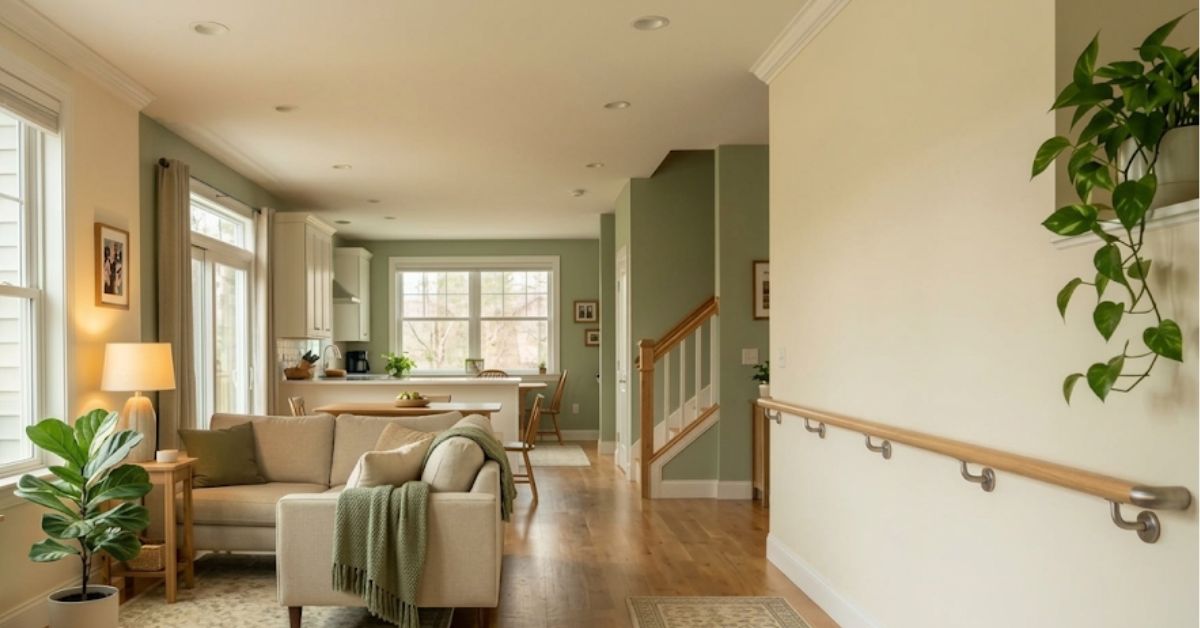
Independent living is not only about living alone. It is about being able to move through the home, use the bathroom, enter and exit safely, prepare meals, sleep comfortably, and complete daily routines with confidence. When the home no longer supports those routines, independence can shrink quickly.
Accessibility improvements help protect independence by reducing the effort, fear, and risk built into everyday tasks. For families in Northern New Jersey, the right combination of stairlifts, wheelchair ramps, bathroom safety modifications, lighting upgrades, and small-change improvements can make home life safer without making the home feel clinical.
Independent Living Starts With the Home Environment
Accessibility improvements work because they remove daily friction: a safer shower, a better handrail, a ramped entry, or a stair lift can turn a difficult task back into a manageable routine. The goal is not just preventing accidents — it is preserving confidence and choice.
When a home becomes physically harder to use, people often adapt by doing less. They may stop going upstairs, avoid bathing as often, limit trips outside, or wait for help with tasks they used to handle independently. Accessibility planning reverses that pattern by making the environment match the person’s current abilities.
Five Ways Accessibility Improvements Support Independence
1. Safer Bathroom Routines
Bathrooms are a major independence point. If bathing, toileting, or standing at the sink feels unsafe, a person may need help for private daily tasks. Grab bars, shower seating, non-slip surfaces, handheld shower wands, and improved lighting help restore safer bathroom use.
2. Continued Access to Multiple Floors
When stairs become difficult, entire areas of the home can become unavailable. A stair lift, better handrails, improved lighting, or stair safety upgrades can help a person keep using the rooms that matter most.
3. Safer Entry and Exit
Independence includes getting in and out of the home safely. Wheelchair ramps, threshold ramps, sturdy exterior handrails, and better entry lighting support medical appointments, family visits, outdoor routines, and emergency access.
4. Reduced Nighttime Risk
Nighttime movement is one of the most common moments for falls. Motion lighting, clear paths, stable bed height, bathroom grab bars, and reachable phones make overnight routines safer and less stressful.
5. Less Dependence on Caregivers
Good accessibility design does not replace caregivers when care is needed. It helps reduce unnecessary dependence by making transfers, movement, and routines safer for everyone involved.
Small Improvements Can Create Big Changes
Not every independence-supporting upgrade requires construction. Many families can start with small changes that reduce immediate risk and build confidence. For a detailed room-by-room list, see How to Make a Home More Accessible Without Major Remodeling.
| Improvement | How It Supports Independence | Best Area |
|---|---|---|
| Grab bars | Provides reliable support during transfers | Bathroom, hallway, entry |
| Motion lighting | Reduces nighttime fall risk | Bedroom, hallway, bathroom |
| Threshold ramp | Removes small trip hazards and improves walker access | Doorways and entries |
| Second stair handrail | Adds support on both sides of the staircase | Interior stairs |
| Shower chair | Allows seated bathing and reduces fatigue | Tub or shower |
| Clear pathways | Improves walker, cane, and wheelchair movement | Whole home |
When Larger Accessibility Improvements Make Sense
Small changes are powerful, but they are not always enough. Larger modifications may be appropriate when a person can no longer safely manage stairs, enter the home, transfer into the shower, or move through the home with a walker or wheelchair.
Stairlifts for safer floor-to-floor movement
If a person avoids stairs or feels unsafe climbing them, a stair lift can help preserve access to bedrooms, laundry, living spaces, or basement areas.
Wheelchair ramps for safe home access
A ramp can make the difference between being able to leave home independently and needing help for every trip outside.
Bathroom modifications for safer private routines
Bathroom accessibility improvements often have the greatest effect on dignity, confidence, and day-to-day independence.
Accessibility Also Supports Family Caregivers
When the home is unsafe, family members often become the solution. They help with stairs, bathing, entry steps, and transfers. That support can be loving, but it can also be physically risky and emotionally stressful. Accessibility improvements reduce the number of moments where hands-on help is required.
Caregiver planning tip: If one person is regularly helping with stairs, tub transfers, or entry steps, the home may need a physical modification. Safer equipment can protect both the person receiving support and the person providing it.
Planning Before a Crisis
Many accessibility projects happen after a fall, surgery, hospital discharge, or sudden mobility change. But planning earlier often leads to better choices. Families have more time to compare options, prioritize budget, and make changes before the home becomes a barrier.
If you are buying a long-term home, also review Accessibility Considerations When Buying a Forever Home. If a loved one lives alone, start with Home Safety Guide for Seniors Living Alone.
A Practical Independence Plan
- Identify the hardest daily routines: stairs, bathing, entry, sleep, cooking, or nighttime bathroom trips.
- Rank the risk areas: fix high-risk zones like bathrooms, stairs, and entries first.
- Start with simple upgrades: lighting, grab bars, pathway clearing, handrails, and non-slip surfaces.
- Plan larger changes when needed: stairlifts, ramps, and bathroom modifications should match real daily use.
- Reassess over time: needs change, and the home should change with them.
Independent living is not about doing everything without help. It is about having a home that supports safety, dignity, routine, and choice as needs change.
Everhome Mobility helps Northern New Jersey families create safer home environments with stairlifts, wheelchair ramps, bathroom safety solutions, and practical accessibility planning.
Request a Free Home Accessibility Assessment →Frequently Asked Questions
How do accessibility improvements support independent living?
Accessibility improvements support independent living by reducing fall risk, making daily routines easier, improving safe movement through the home, and helping people complete tasks with less dependence on caregivers.
What are the most helpful accessibility improvements for seniors?
Helpful improvements often include grab bars, safer showers, stair lifts, wheelchair ramps, improved lighting, handrails, threshold ramps, non-slip surfaces, and clear pathways through the home.
Do accessibility improvements have to involve major remodeling?
No. Many improvements are small, targeted changes such as grab bars, better lighting, shower seating, handrails, and threshold ramps. Larger modifications may be needed later, but small upgrades can make a meaningful difference.
Can accessibility upgrades help caregivers too?
Yes. Safer transfers, better bathroom access, ramps, and stair solutions can reduce caregiver strain and make daily support safer for both the individual and the caregiver.
When should families start planning accessibility improvements?
Families should start planning before a crisis whenever possible, especially when stairs, bathrooms, entries, or nighttime movement are becoming harder or when a person wants to remain at home long term.
What is the first step toward a safer independent living plan?
The first step is a room-by-room assessment of current risks, daily routines, and mobility challenges. This helps prioritize the improvements that will have the greatest effect on safety and independence.